Built on the line · Tuned for the field
Software that does the paperwork, so you can do the job.
StationWorks builds simple tools for fire districts and the agencies they work with. We're firefighters. We build for the job we do, and then we get out of the way.
or email support@stationworks.io
The tools
Tools for the district, with more on the way.
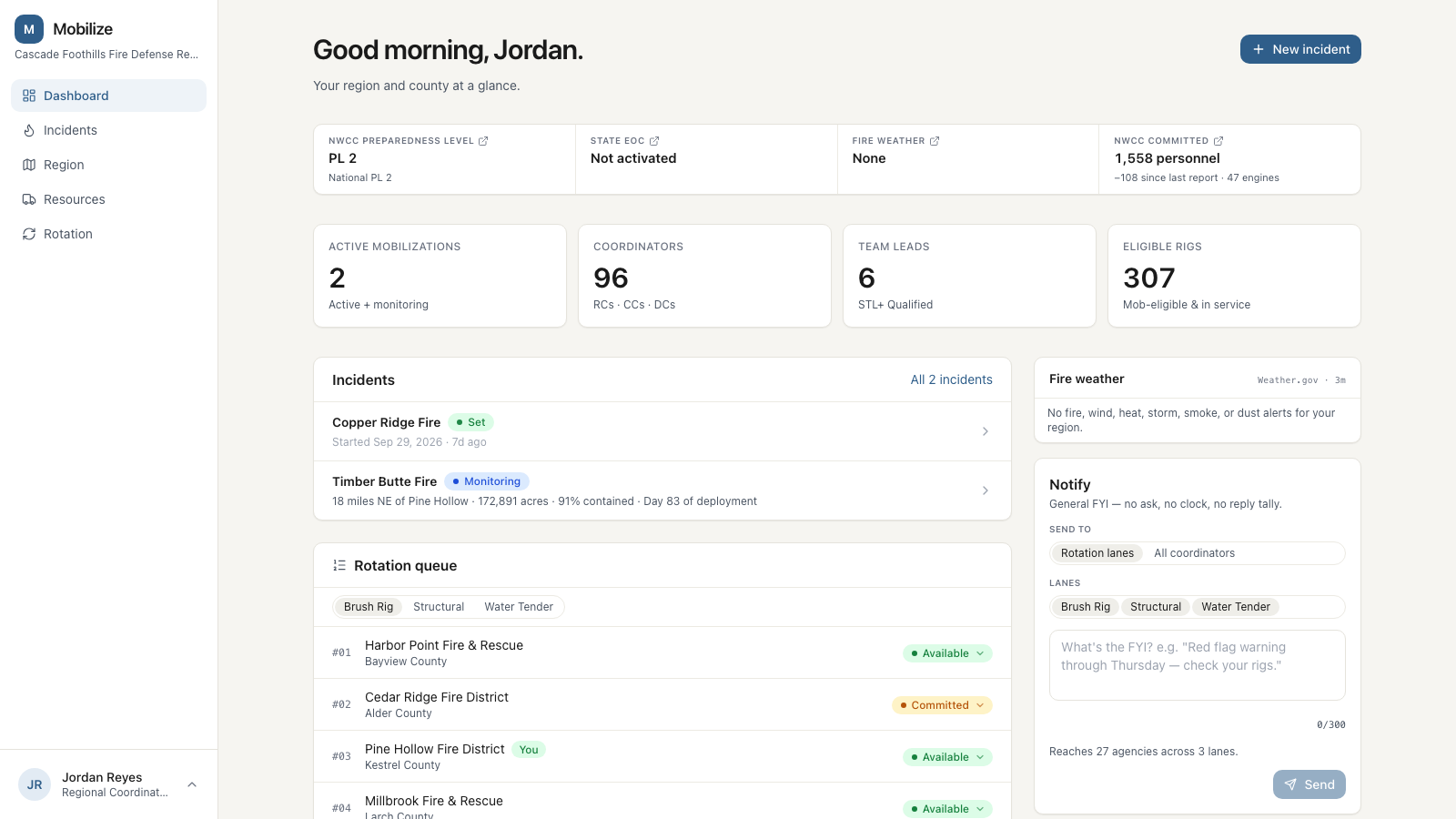
Mobilize
Run the mobilization, not the phone tree.
One shared picture of which rigs and people are available, who's up next, and who's rolling, across every district in the region.
See Mobilize →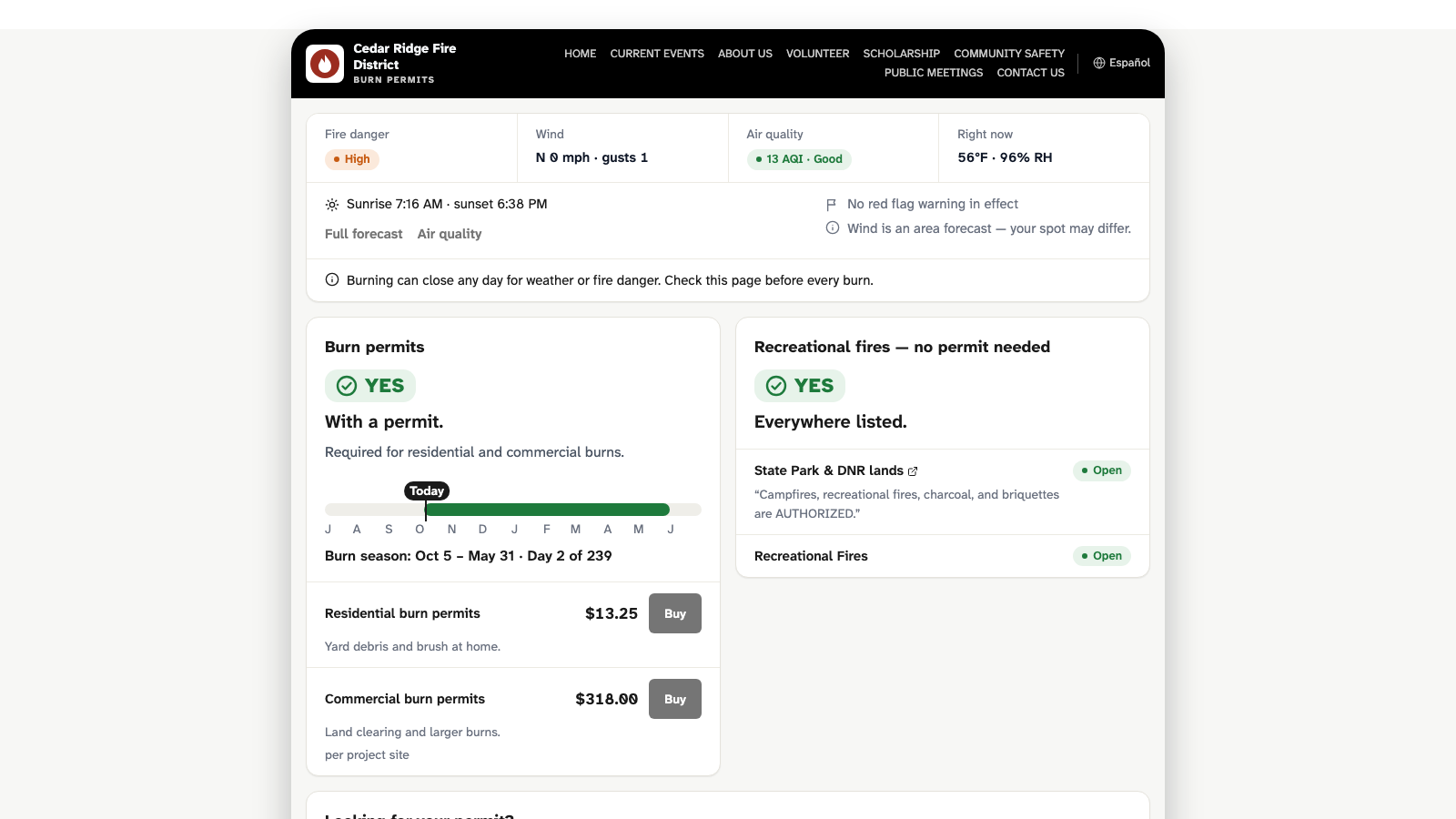
Permits Portal
Sell burn permits online, not at the counter.
Residents buy their permit from their phone. Your district sets the prices, the boundaries, and the season, and gets paid.
See Permits Portal →On the board? What it costs, what you get, and how to hold us to it →
Who we are
We're firefighters. We're also the people you'd want building this.
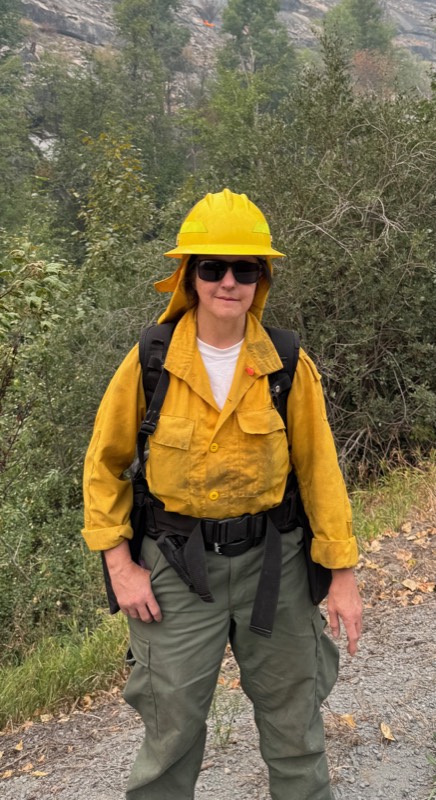
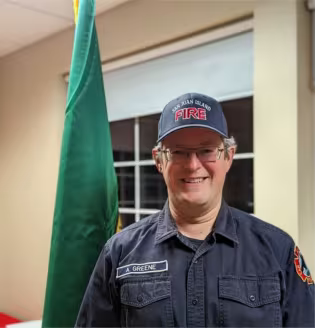
Both of us are structure and wildland firefighters at San Juan Island Fire & Rescue, so we know where the job gets buried in paperwork. We also spent our careers building software that isn't allowed to go down: government cloud infrastructure on one side, medical devices on the other. StationWorks is US-owned and US-based, and we've worked in high-security government settings for years.
Who it's for
It's the same person doing all of it.
The chief who makes sure the rigs can mobilize is also the one who answers the burn-permit calls, keeps the fleet running, and signs off on the repair orders. Most of that still runs on paper, spreadsheets, and a phone that won't stop ringing, or on a different piece of software for every job, each with its own login and its own way of doing things.
We're building the tools for all of it, one job at a time, so they work the same way and share what they know. Learn one, and you already know the next.
How we work
How we build.
The job comes first.
Nobody wants to use software. They want the permit issued and the rig on the road. If you finish in ten seconds and close the tab, the tool did its job.
Built for the worst day.
Anything works on a quiet Tuesday. We design for the night the whole region lights up, the signal's weak, and everyone's tired.
Use what you already have.
Your roster, your accounts, and your records already live somewhere. We read from there instead of asking you to type it all in again.
Your data stays yours.
Every action is on the record, and you can export all of it, any time, for any reason. Public agencies shouldn't be locked in to a vendor.
Tell us what's eating your day.
Email us at support@stationworks.io. On the board? Here's what it costs and what you get for it.